

Supporting your dog during fireworks
Fireworks night can be distressing for your dog. Read our tips on how to help them through it.

Loud or unexpected noises like fireworks or thunderstorms can be frightening for many dogs.
For an owner, seeing your best friend distressed can be upsetting. But don’t worry, you’re not alone. Nearly half of dog owners have noticed this type of reaction in response to loud noises.
The good news is there are several ways you can help your furball through it. We’ve outlined below how to tell if fireworks are negatively impacting your dog, and what you can do about it.
Our fireworks Sound Blanket for dogs
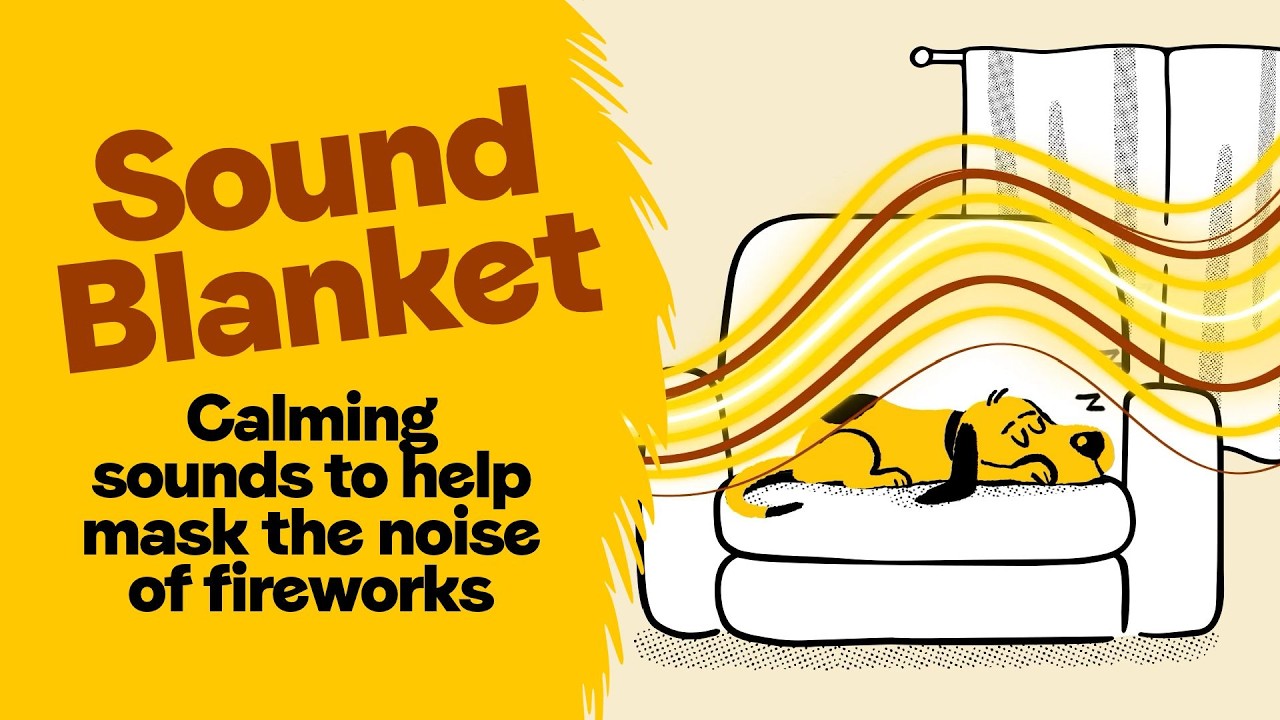
Our Sound Blanket* is a collection of science-backed sounds we’ve developed in collaboration with the University of Salford, to help mask the noise of fireworks. Press play before the bangs start to soothe your pooch.
Designed using acoustic science and calming natural sounds, the Sound Blanket works alongside the steps you're already taking, like creating a safe space, staying close by and keeping routines consistent.
Most dogs can try our Sound Blanket, but it may not be suitable for dogs who are sensitive to music or spoken radio.

How can I tell if my dog fears fireworks?
Here are some of the signs that your dog might be fearful or stressed during fireworks:
- Whining or barking: your dog may voice their distress through whining, whimpering, barking, growling or crying
- Clinginess: they may seek comfort by jumping up, staying close, or by seeking attention
- Excessive panting or drooling: anxiety can lead to increased panting, drooling or lip-licking
- Holding their tail down between their legs
- Hiding: they might try to find a safe or secluded spot to hide, like under furniture or in a closet
- Trying to escape: in extreme cases, your dog may attempt to escape to get away from the noise
- Trembling or shaking: your dog may visibly shake or tremble when fireworks are going off
- Pacing or restlessness: they may become agitated and constantly move around
- Loss of appetite: fear can cause a loss of interest in food, so they may not want to eat
- Dilated pupils: your dog’s eyes may appear wider than usual due to stress.
These signs could be subtle, and there may be other ways your dog responds to fireworks. Some of these signs can also point to a health problem, so speak to your vet if you’re worried. Learn more about signs your dog is feeling anxious.
If your dog shows any of these signs, our Sound Blanket may help while fireworks are happening.
See your vet if you can
If your dog shows signs of fear in response to fireworks or loud noises, speak to your vet as soon as possible. It’s important to let your vet know so they can check there are no related medical problems. They can also refer you to a behaviourist and give advice on additional treatments like medication.
If your vet recommends medication for your dog, this can be extremely useful for noise fear. It can help dogs cope during fireworks and stop their fear increasing each time.
You can also check out our sound therapy and firework training to help make your dog feel more comfortable with new and scary noises.

What to do on days you expect fireworks
- Ask neighbours and research local events – find out the dates of local firework displays and ask your neighbours if they plan to let any off. This will help you prepare and plan your cosy nights in.
- Stay with your dog. Your pooch could panic if left alone. Having you or someone they know and trust for company will help them relax.
- Don’t go out after dark. Make sure you’re cosy inside and settled well before any fireworks start. Never force your dog outside during fireworks.
- Give your dog any prescribed medication before fireworks start.
- Feed your dog before the fireworks begin as they may become unsettled and not want to eat during the fireworks.
- Check your house and garden are escape-proof. Your dog could try to run away if they’re scared so check your doors, windows and fences are secure. Also, be sure your dog’s microchip details are up to date and they are wearing a collar and ID tag, so you can be reunited quickly, should your dog get out.
What to do during fireworks
- Block out flashes and bangs. Close any windows or curtains and turn the lights on. Put on music or the TV to help disguise the noise.
- Recognise the needs of your individual dog and let them choose:
- If your dog wants to hide, let them stay where they feel safe.
- If they seek reassurance, calmly give them attention and comfort. Research shows that ignoring them won’t help.
- If your dog doesn’t seem worried, then it’s best to keep them busy with their favourite toys or activities so they don’t become anxious.
- Try to stay calm and relaxed yourself. Your dog will pick up on how you’re feeling, so do your best to relax.
- If your dog makes a mess by accident, avoid telling them off as this might make them feel more scared.
After fireworks
In the days after fireworks, return to your normal routine to help your dog settle down. Fireworks will likely occur on more than one night. So, understanding what works for your canine companion will help you support them through the entire fireworks season.
And remember, if your dog showed signs of fear or anxiety during fireworks, make sure to speak to your vet.
No owner wants to see their beloved pet frightened by fireworks. But the best way to deal with this is to prepare ahead.
Read more on preventative measures you can take to help your dog for the next time fireworks happen.
Additional resources


Halloween advice
Simple steps you can take to help keep your dog safe and happy this Halloween.
Sound therapy and firework training
Sound therapy can help your dog feel more comfortable with new and scary life noises.

Creating a safe space for your dog
All dogs need a safe space of their own. Find out what makes a good safe space.
Related articles

What to do if your dog is scared of loud noises

How to train your dog to be calm, relax and settle
